
How To Finish
A Visual Guide

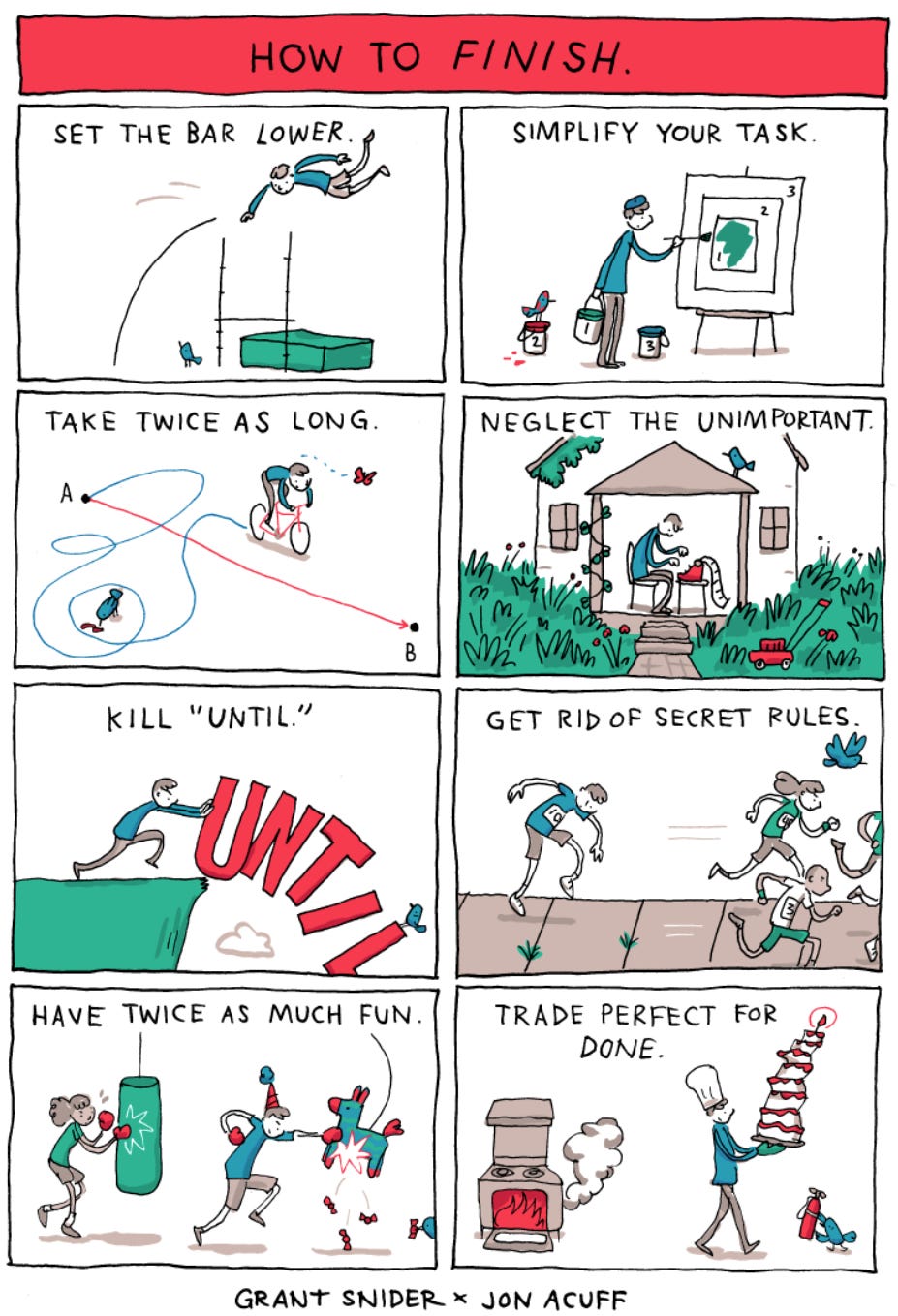
In 2017, bestselling author Jon Acuff asked me to make a comic from the ideas in his book FINISH. Now I’m on the verge of completing my first novel, and this comic is fresh in my mind. I’ve applied these lessons—and failed to apply them—time and again in my creative practice.
Starting an intimidating creative project?
Here’s how to FINISH.
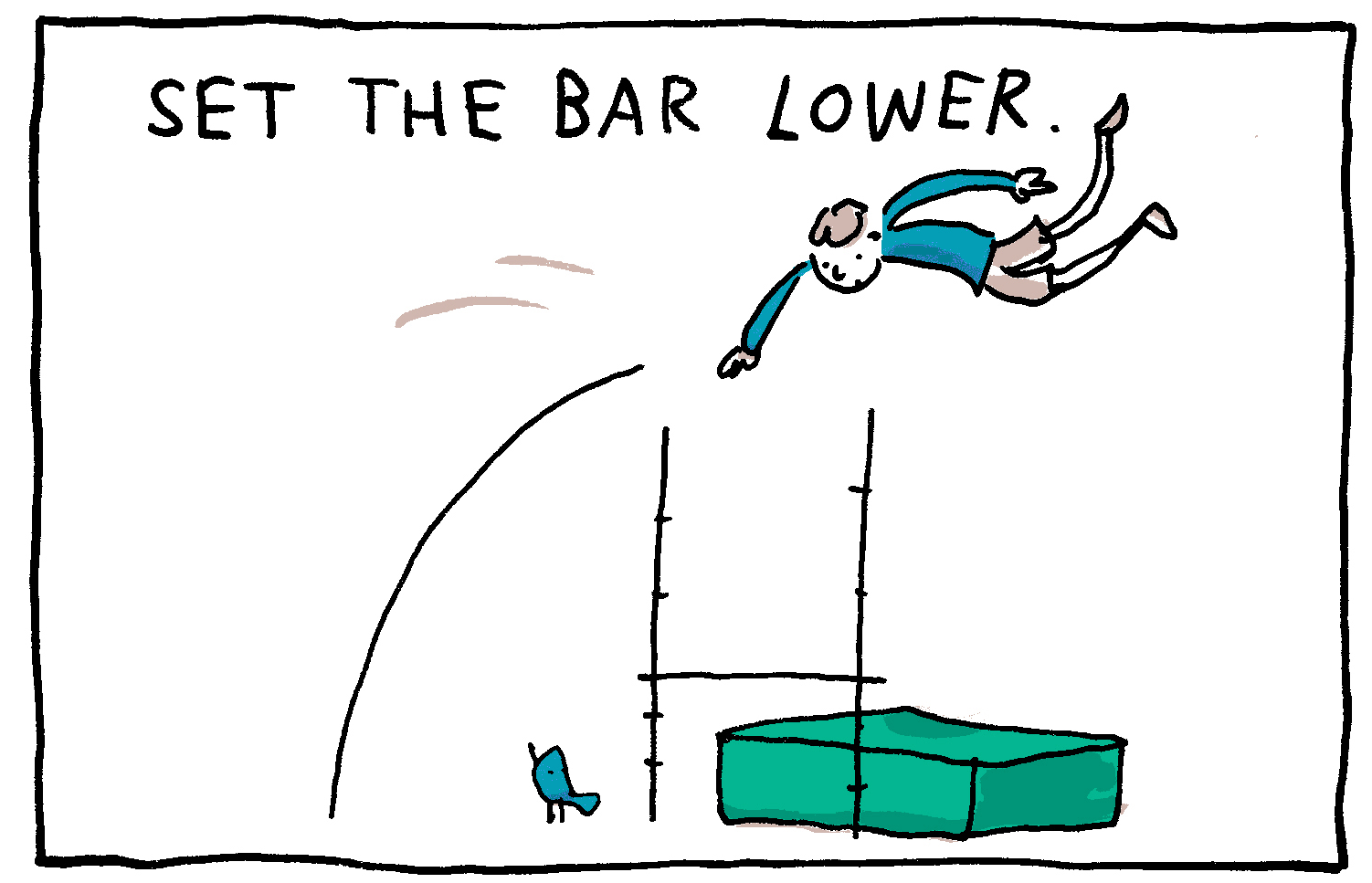
1. Set the bar lower.
I should write a novel.
A terrifying thought. It will take months, years, decades. If I start, who’s to say I’ll ever finish? And what if I do all the work and no one wants to read it?
I should write a poem.
Okay, that’s easier. That’s a page or two at most. With a clear beginning and end.
Maybe, if I connect some short poems into a narrative, I’ll have the start of something bigger: a novel in verse.
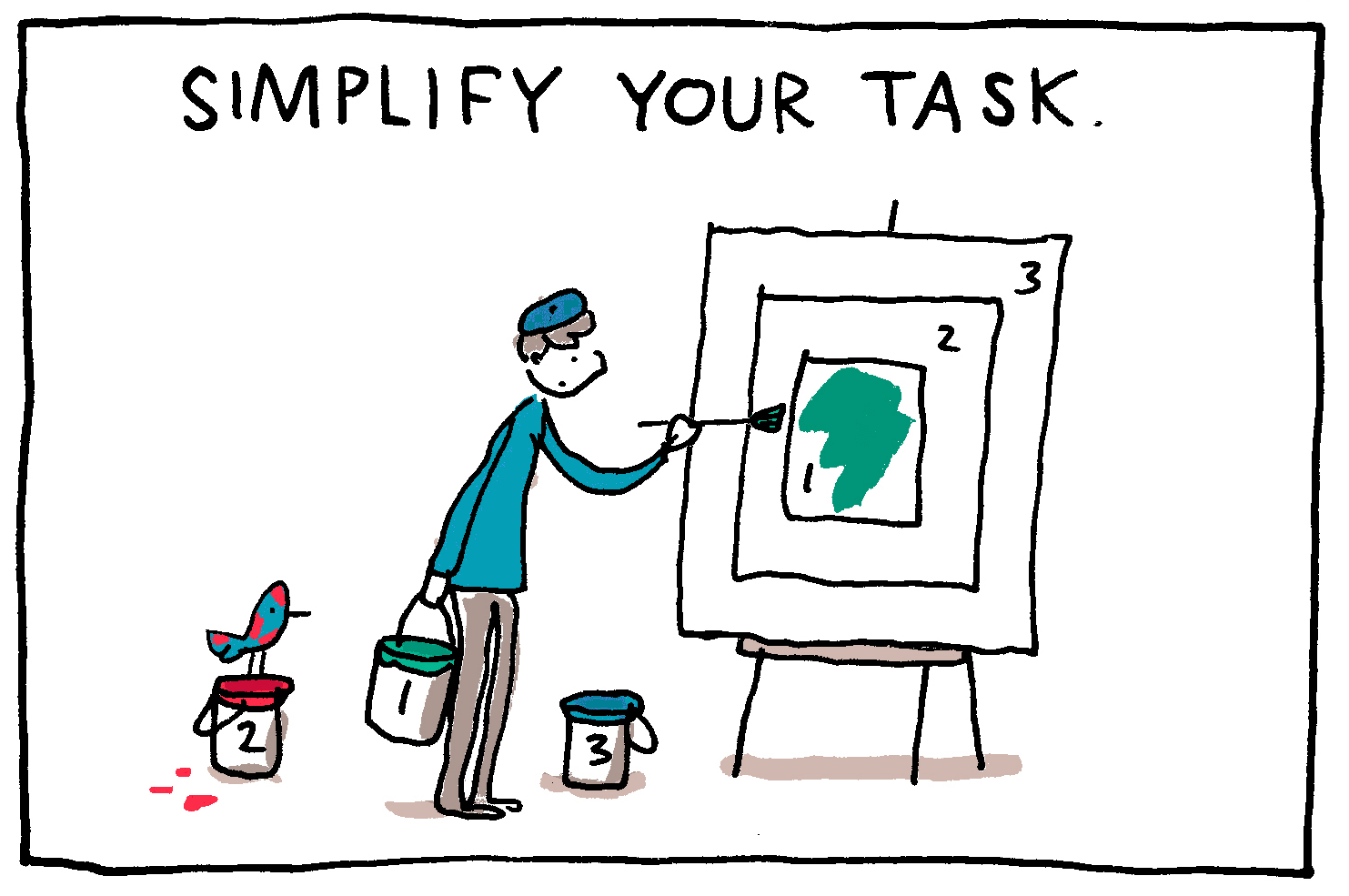
2. Simplify your task.
A few months into writing my illustrated novel in verse I realized: I don’t have to do everything at once.
I can write an entire sloppy first draft before I start revising.
I can create the illustrations after I write the story.
I can focus on the structure of the story and a few main characters, then later expand my fictional world with additional characters, scenes, and backstory.
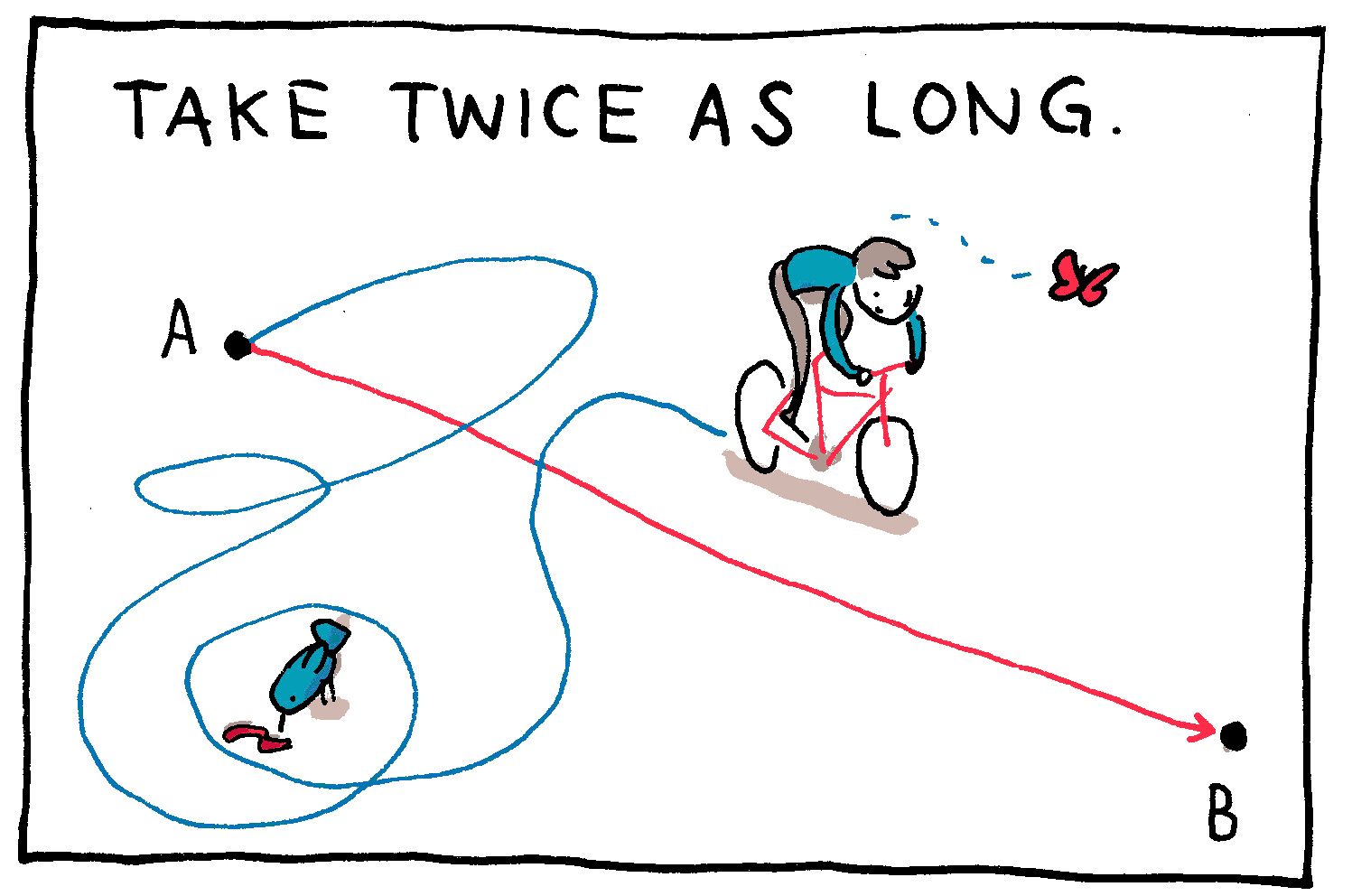
3. Take twice as long.
There’s no prize for speed in literature or art. Which is too bad: if there was, I’d compete for Olympic gold.
I can write, draw, and color a comic in a couple hours. I’ve created daily comics for Poetry Comics Month and Haiku July. I often respond to my editor’s notes and revise an entire book within a week.
But sometimes a project requires a slow burn.
Time for ideas to simmer in the subconscious, time for drafts to bake in the notebook, time for memories and associations to bubble up until they’re ready for the page.
Creativity can be a slow feast, not just fast food. Difficult for this webcomic artist to achieve, but worth the effort when I do.
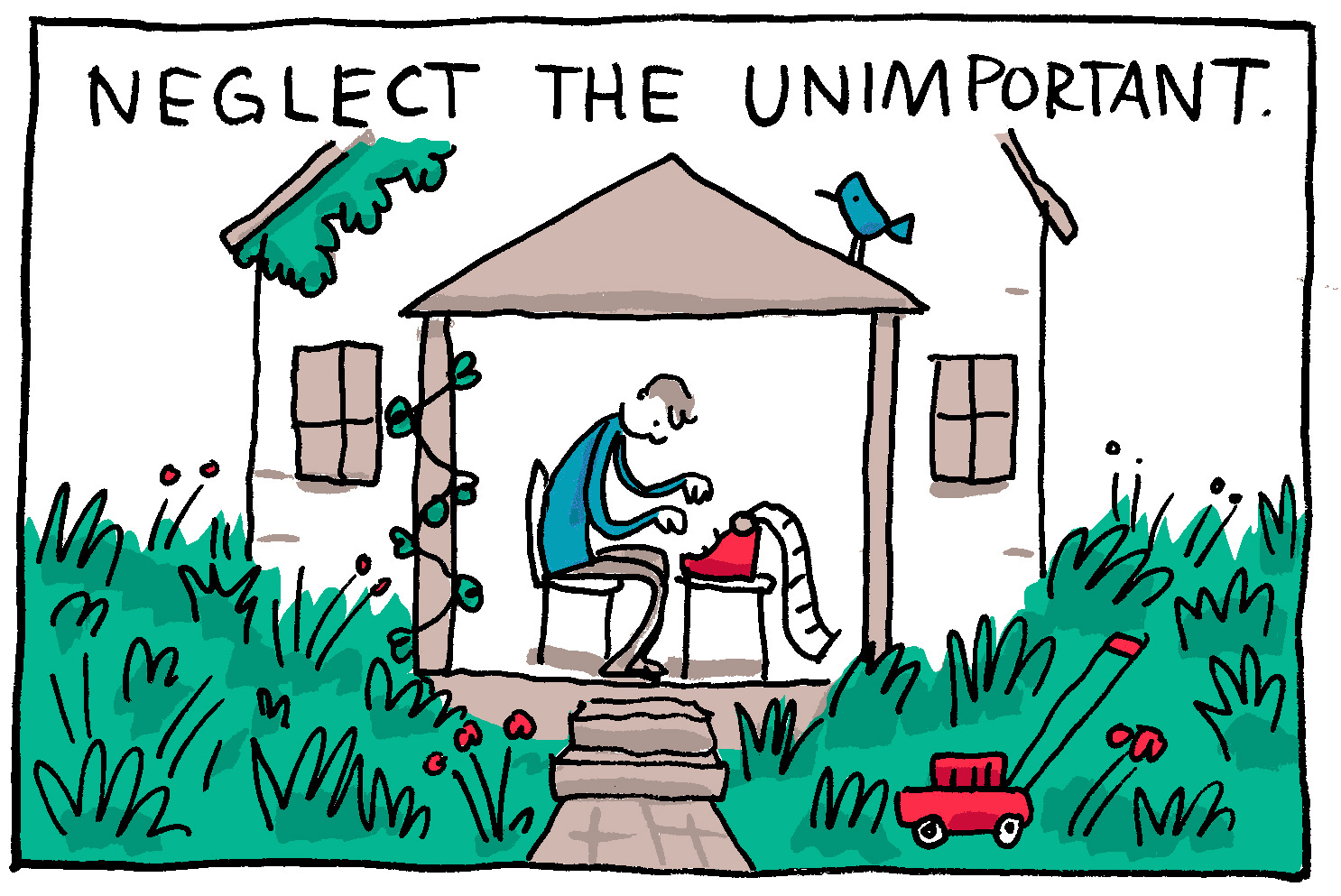
4. Neglect the unimportant.
One person’s “unimportant” is another person’s “essential.”
My neighbor, a retired insurance agent (and super-nice guy), has an impeccable lawn. If a leaf falls from one of his well-pruned trees, he’ll be there to rake it up in minutes.
My lawn, however, looks like The Sandlot this time of year. Patches of dirt expand between prickly, weedy grass. Random children’s toys and athletic equipment are strewn about. Forgotten yard equipment rusts in the rain. And there are so many spiderwebs.
Lawncare is unimportant to me. The hours I put in at my drawing table: essential.
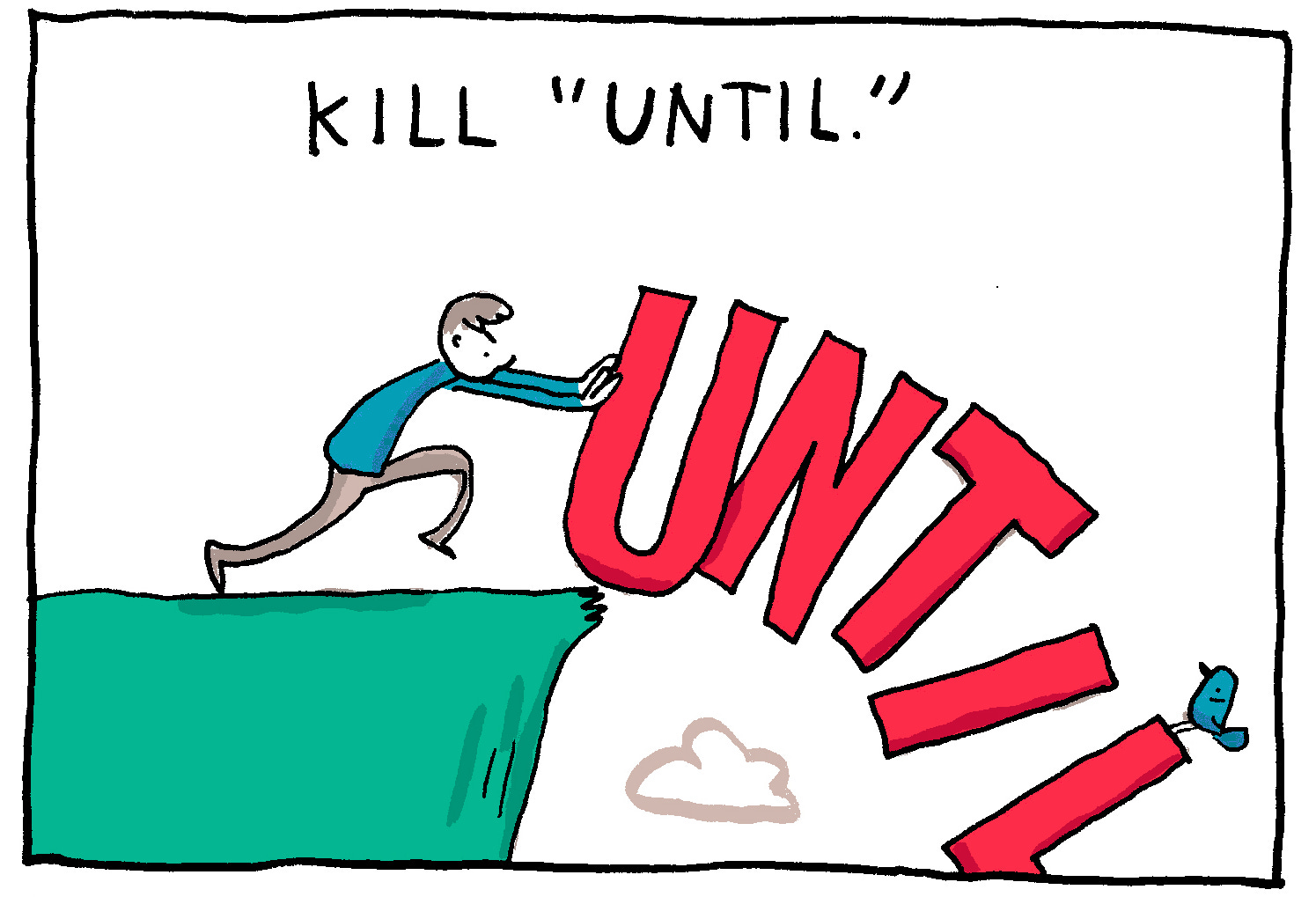
5. Kill “Until”.
I won’t start writing until I have the perfect idea.
I won’t let anyone read this until it’s absolutely perfect.
I won’t revise this story until I’ve read every book there is on the writing craft—and listened to all the podcasts.
Nonsense. Just make something.
Like what you made? Great. Make it better.
Don’t like what you made? Great. Make it better.
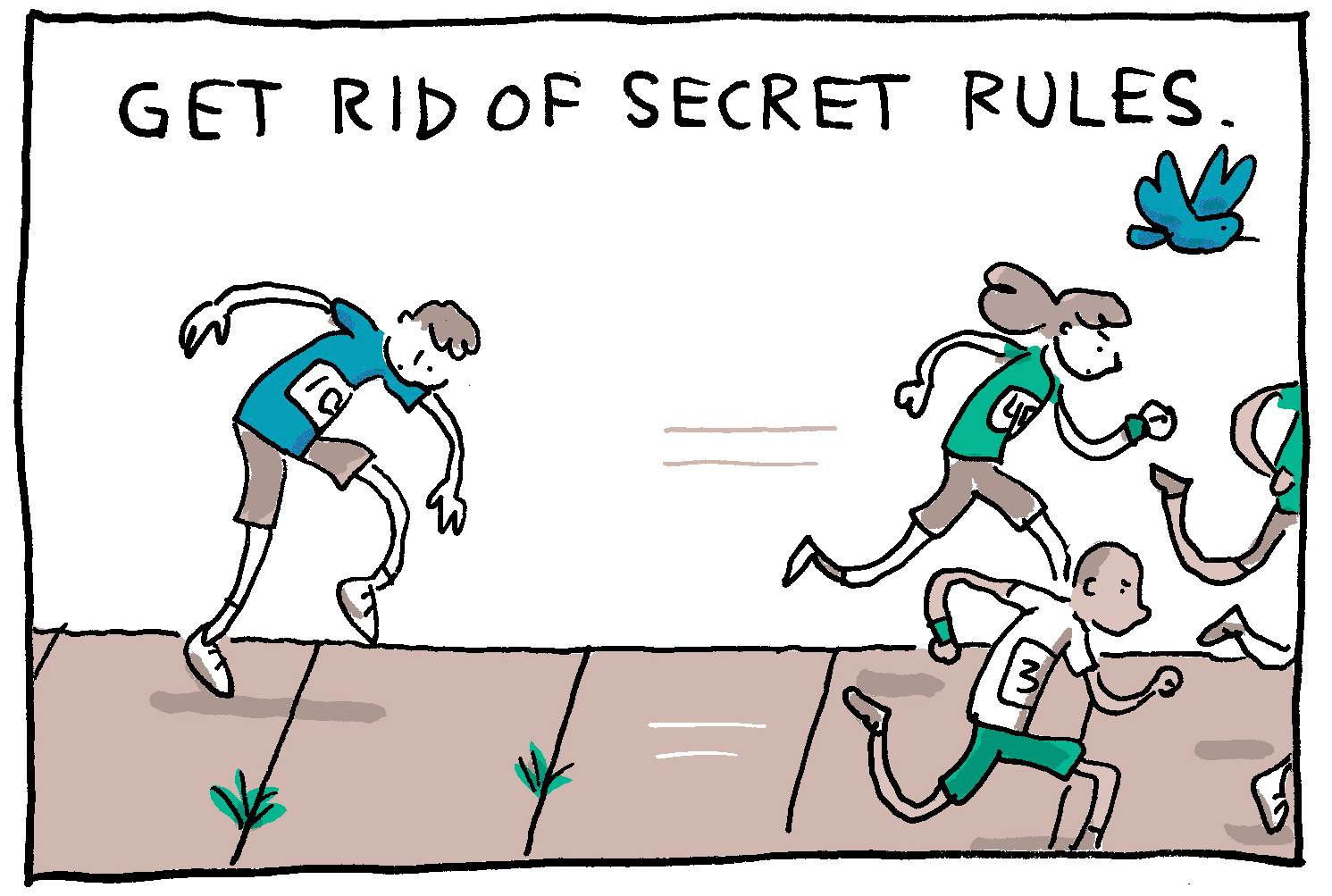
6. Get rid of secret rules.
This never occurred to me until I read Jon’s book FINISH. Why would I create rules to make work more difficult for myself than it already is?
But yes, I have many, many secret rules. I won’t tell you what they are. They’re secret.
But your secret rules may go something like this:
I can’t write in the mornings, my brain’s not awake yet.
I must have a cup of my favorite coffee beside me or I can’t write. The room must be exactly 72 degrees Fahrenheit. Soothing jazz music must be playing, with no children throwing Legos and screaming in the hallway outside my room.
I can’t take a break from this story and work on another, I have to keep pushing even though I can’t stand to think about these characters and I’m sick of inhabiting this fictional world and I have to keep going even if it’s not fun anymore…
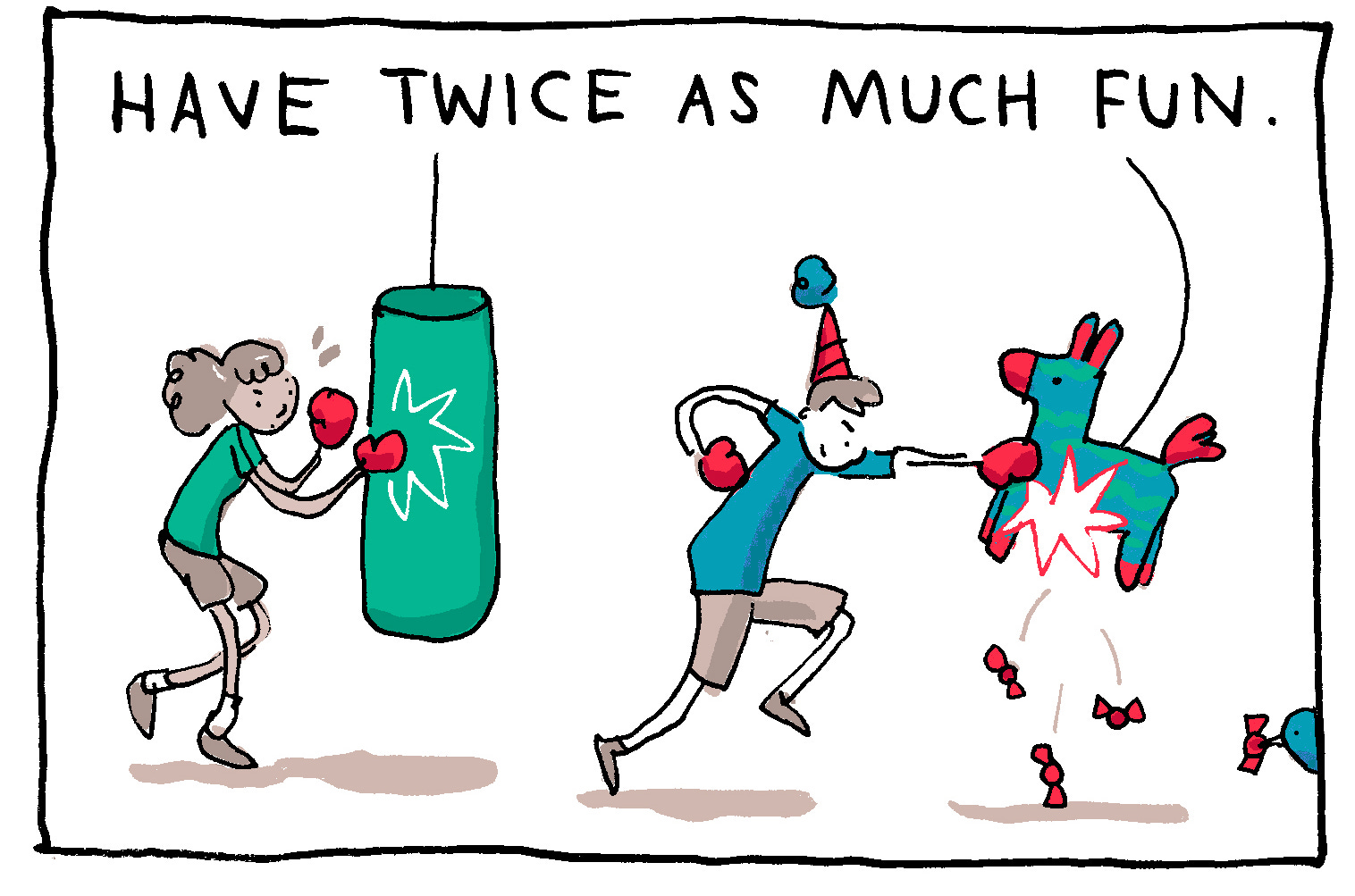
7. Have twice as much fun.
There’s a saying in writing: “No surprise for the writer, no surprise for the reader.”
Likely true. But even more relevant: “No fun for the writer, no fun for the reader.”
Joy, humor, anger—any deep emotional engagement on the part of the creator will be felt by the reader.
Sure, parts of the work will be toil. Sure, the fun quotient may decrease as the work progresses. But keeping alive that spark that initiated the project: Hey, this will be fun to make! I think it’s essential.
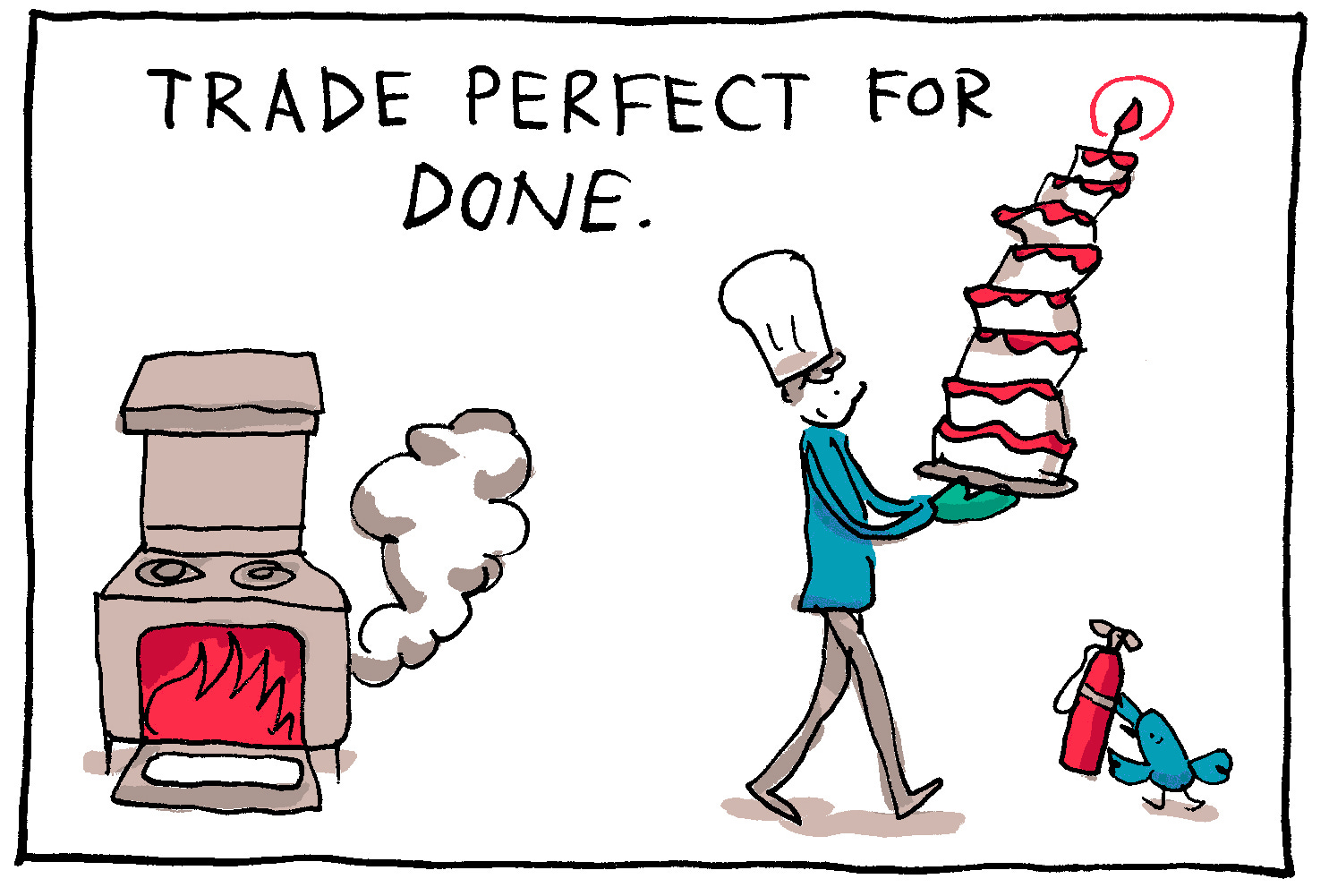
8. Trade perfect for done.
You know that perfect manuscript by your favorite author that was discovered after their death and truly solidified their genius?
Me neither. Posthumous work is for zombies.
The perfect is the enemy of the done.
Start making something for the fun of it. Finish it. Let other people enjoy it.
Repeat.
Purchase a poster of HOW TO FINISH.
Secret Rules is a big one when it comes to me never getting stuff done. Thanks for calling it out.
I think this rings true for all of life’s daily tasks as well! Just what I needed to read today:)